
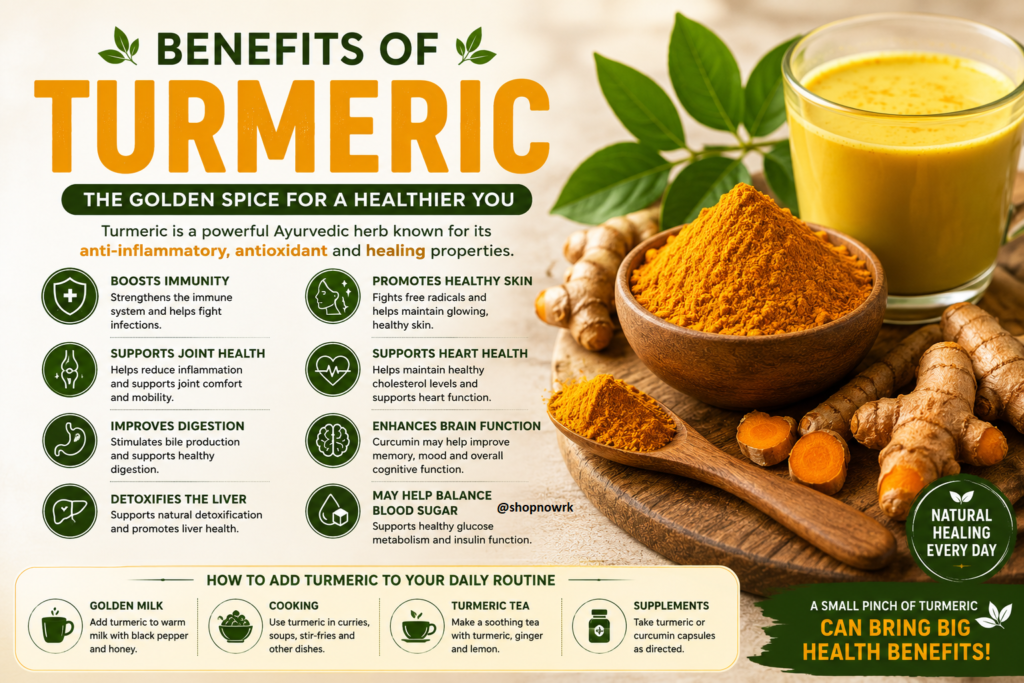
Benefits of Turmeric: A Complete Guide to This Powerful Golden Spice
Introduction
Turmeric is one of the most popular spices in the world and has been used for thousands of years in cooking, traditional medicine, and wellness practices. Scientifically known as Curcuma longa, turmeric is a bright yellow-orange root belonging to the ginger family. It is especially valued in Ayurveda for its potential to support overall health and well-being.
The key active compound in turmeric is curcumin, a naturally occurring polyphenol that has antioxidant and anti-inflammatory properties. These properties have made turmeric the subject of extensive scientific research.
Whether consumed as a spice, tea, milk, or dietary supplement, turmeric has become a staple in many healthy lifestyles. In this blog, we’ll explore the benefits of turmeric, its nutritional profile, how to use it, possible side effects, and frequently asked questions.
What Is Turmeric?
Turmeric is a flowering plant native to South Asia. The underground stem (rhizome) is dried and ground into the golden-yellow powder commonly used in curries and other dishes.
For centuries, turmeric has been used in traditional Ayurvedic and herbal practices to support digestion, skin health, immunity, and general wellness.
Today, turmeric is available in several forms, including:
Fresh turmeric root
Turmeric powder
Turmeric capsules
Curcumin supplements
Turmeric tea
Turmeric juice
Nutritional Value of Turmeric
Turmeric contains several beneficial nutrients and plant compounds, including:
Curcumin
Manganese
Iron
Potassium
Vitamin C
Dietary fiber
Antioxidants
Essential oils
Although turmeric is typically consumed in small amounts, its plant compounds contribute to its popularity as a wellness ingredient.
Top Benefits of Turmeric
1. Rich in Powerful Antioxidants
One of the most well-known benefits of turmeric is its high antioxidant content.
Antioxidants help protect cells from damage caused by free radicals, which are unstable molecules that can contribute to oxidative stress. Including antioxidant-rich foods like turmeric in a balanced diet may support overall health.
2. Supports a Healthy Immune System
Turmeric contains compounds that may support the body’s natural immune defenses.
A healthy immune system depends on several lifestyle factors, including:
Balanced nutrition
Regular exercise
Quality sleep
Stress management
Turmeric can be a nutritious addition to a healthy eating pattern.
3. May Help Support Joint Health
Joint discomfort can affect mobility and quality of life.
Curcumin has been studied for its anti-inflammatory properties, and some research suggests it may help support joint comfort and flexibility in certain individuals.
However, turmeric should not replace medical treatment for joint disorders.
4. Supports Heart Health
Heart health is essential for overall well-being.
Some research suggests turmeric may contribute to cardiovascular wellness by helping maintain healthy blood vessel function and reducing oxidative stress.
For optimal heart health, combine turmeric with:
A heart-friendly diet
Regular physical activity
Healthy body weight
Routine medical checkups
5. May Support Brain Function
The brain is particularly vulnerable to oxidative stress over time.
Curcumin has been studied for its potential role in supporting cognitive function and protecting brain cells. While research is ongoing, turmeric remains a popular food for those interested in healthy aging.
Maintaining mental activity, good sleep, and exercise are also important for brain health.
6. Promotes Healthy Digestion
Turmeric has traditionally been used to support digestive wellness.
Some people include turmeric in their meals to promote comfortable digestion and maintain gut health. Eating a diet rich in fruits, vegetables, whole grains, and fiber further supports digestive function.
7. Supports Healthy Skin
Healthy skin reflects good nutrition and proper care.
The antioxidant properties of turmeric may help protect skin cells from environmental stress. Turmeric is also commonly used in homemade face masks and skincare products.
Potential skin-supporting benefits include:
Promoting a healthy glow
Supporting skin hydration
Helping maintain even-looking skin
8. May Support Healthy Blood Sugar Levels
Some research has explored turmeric’s potential role in supporting healthy glucose metabolism.
People with diabetes or other metabolic conditions should continue following their healthcare provider’s recommendations and should not use turmeric as a substitute for prescribed treatment.
9. Helps Support Liver Health
The liver performs many important functions, including processing nutrients and removing waste products.
Turmeric’s antioxidant compounds may help support normal liver function as part of a balanced lifestyle.
Maintaining a healthy diet and limiting alcohol intake are equally important for liver wellness.
10. Supports Overall Wellness
Turmeric is often considered a “super spice” because it offers a variety of nutrients and beneficial plant compounds.
Regular consumption as part of a healthy diet may contribute to:
Better immune support
Healthy digestion
Joint wellness
Heart health
Healthy skin
Overall vitality
How to Consume Turmeric
There are many simple ways to include turmeric in your daily routine.
Turmeric Powder
Add it to curries, soups, rice dishes, roasted vegetables, or smoothies.
Golden Milk
Mix turmeric with warm milk (or a plant-based alternative), black pepper, and cinnamon for a comforting beverage.
Turmeric Tea
Steep fresh turmeric root or turmeric powder in hot water with ginger and lemon.
Fresh Turmeric Root
Grate fresh turmeric into salads, stir-fries, or juices.
Turmeric Supplements
Capsules containing turmeric or curcumin are available for those who prefer supplements. Always follow the manufacturer’s instructions and consult a healthcare professional if needed.
Tip: Curcumin is absorbed more effectively when consumed with black pepper, which contains piperine, and with healthy fats such as olive oil or coconut oil.
Possible Side Effects of Turmeric
Turmeric is generally safe when consumed in culinary amounts.
However, excessive intake or high-dose supplements may cause:
Stomach upset
Nausea
Diarrhea
Acid reflux in some individuals
People who are pregnant, have gallbladder disease, bleeding disorders, or take blood-thinning medications should consult a healthcare professional before using turmeric supplements.
Tips for Getting the Most Benefits from Turmeric
To make turmeric part of a healthy lifestyle:
Use it regularly in cooking.
Pair it with black pepper to enhance curcumin absorption.
Eat a balanced diet rich in fruits and vegetables.
Stay physically active.
Drink enough water.
Get quality sleep.
Choose high-quality turmeric products from trusted brands.
Consistency is more important than consuming large amounts.
Frequently Asked Questions
Can I consume turmeric every day?
Yes, turmeric is commonly consumed daily as part of a balanced diet. If you are considering high-dose supplements, seek advice from a healthcare professional.
Is turmeric good for inflammation?
Curcumin has been studied for its anti-inflammatory properties. While research is promising, turmeric should not replace medical treatment prescribed by your healthcare provider.
What is the best time to take turmeric?
There is no single best time. Many people include turmeric with meals, especially meals that contain healthy fats and black pepper to support curcumin absorption.
Can turmeric help with weight loss?
Turmeric alone does not cause weight loss. However, when included in a healthy diet and active lifestyle, it can be part of an overall wellness plan.
Conclusion
Turmeric is one of nature’s most valuable spices and has earned its reputation through centuries of traditional use and ongoing scientific interest. Its active compound, curcumin, along with its antioxidant properties, may support immune health, digestion, joint comfort, heart wellness, healthy skin, and overall vitality.
While turmeric offers many potential health benefits, it is not a cure for diseases or a replacement for medical treatment. The best approach is to enjoy turmeric as part of a balanced diet, regular exercise, adequate sleep, and routine healthcare.
By making turmeric a regular part of your meals, you can enjoy both its rich flavor and its potential contribution to a healthy lifestyle.
Read More:
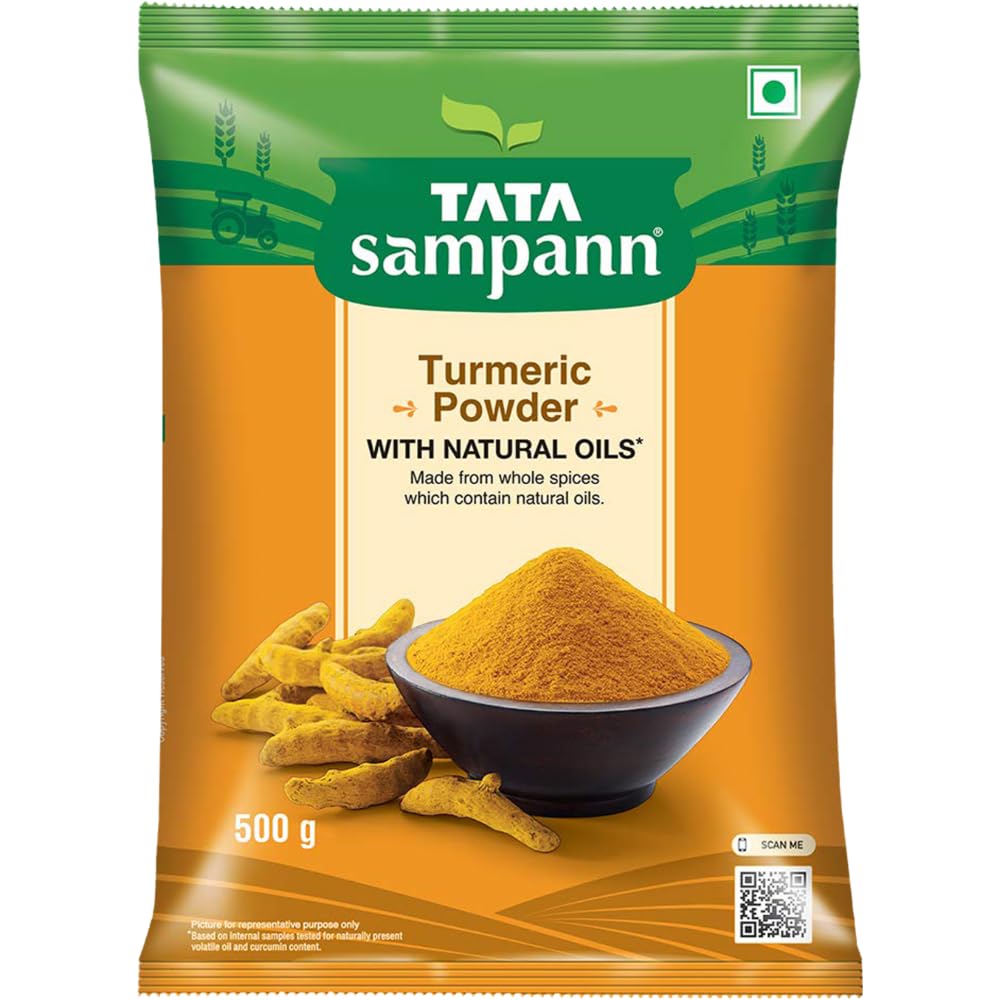
Tata Sampann Turmeric Powder With Natural Oils, 500g, Haldi Powder
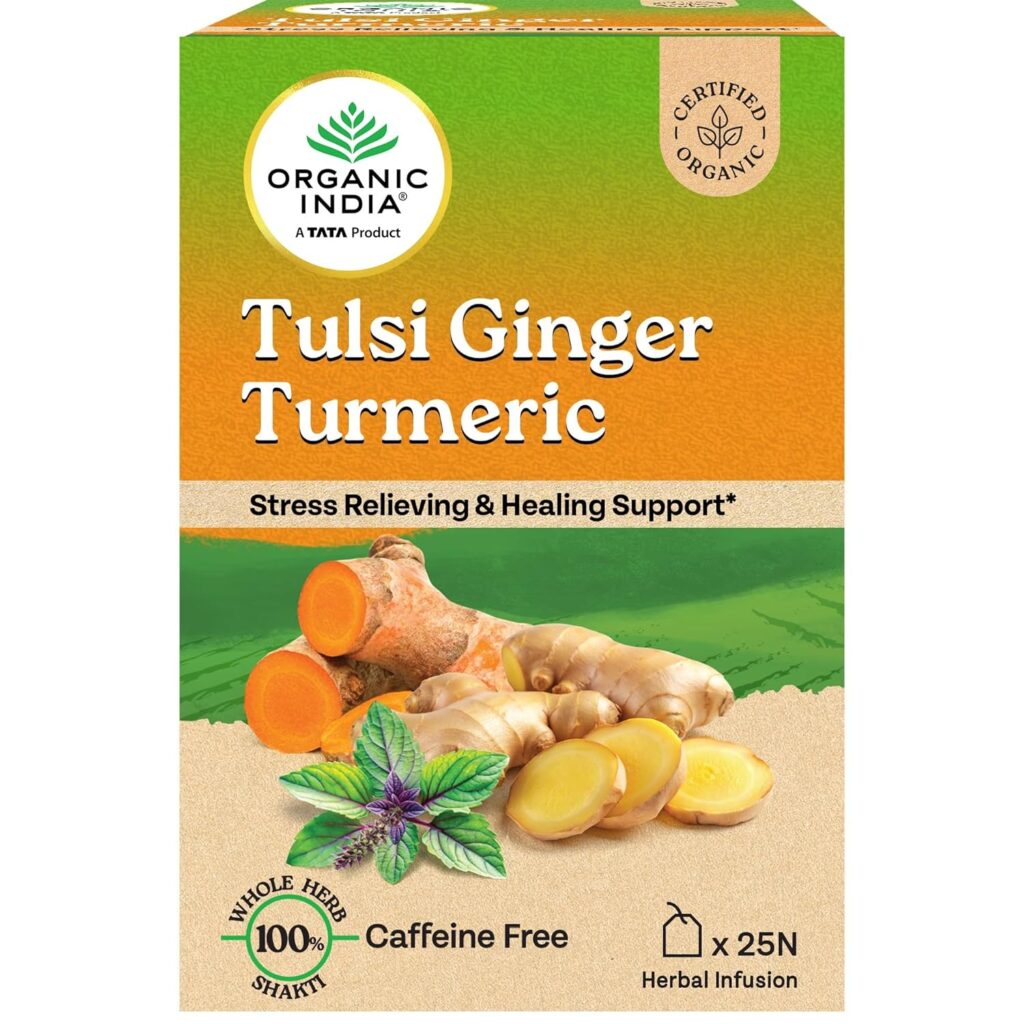
A TATA Product – Organic India Tulsi Ginger Turmeric – 25 Tea Bags, Boosts Immunity, Supports Healing & Recovery, Rich in Antioxidants, Made with Tulsi, Turmeric, Cinnamon, and Pepper