
Benefits of Triphala: Complete Guide to Uses, Health Benefits, Dosage & Side Effects
Introduction
Benefits of Triphala have been recognized in Ayurveda for thousands of years. Triphala is one of the most respected herbal formulations in traditional Indian medicine and continues to gain worldwide popularity due to modern scientific research. Made from three powerful fruits—Amla (Emblica officinalis), Haritaki (Terminalia chebula), and Bibhitaki (Terminalia bellirica)—Triphala is valued for supporting digestive health, immunity, detoxification, and overall wellness.
Recent scientific studies have explored Triphala’s antioxidant, anti-inflammatory, and gut health properties. Researchers have found that Triphala contains abundant polyphenols that may support beneficial gut bacteria and reduce oxidative stress, although more high-quality human clinical studies are still needed.
If you are searching for a natural Ayurvedic supplement that supports everyday health, Triphala deserves your attention. This guide explains everything you need to know, including its benefits, nutritional profile, dosage, possible side effects, and frequently asked questions.
What Is Triphala?
The word Triphala literally means “three fruits.” It is a traditional Ayurvedic herbal blend prepared by combining equal proportions of:
- Amla (Indian Gooseberry)
- Haritaki
- Bibhitaki
Each fruit contributes unique phytochemicals, vitamins, tannins, flavonoids, and antioxidants. Together, they create a balanced herbal formula that Ayurveda traditionally classifies as a Rasayana, meaning a rejuvenating preparation intended to promote overall health and longevity.
Unlike many herbal supplements that focus on a single function, Triphala is valued because it supports multiple body systems. Modern research has highlighted its rich polyphenol content and its potential influence on gut microbiota, antioxidant activity, and digestive wellness.
Nutritional Profile of Triphala
Although Triphala is consumed in relatively small amounts, it contains numerous naturally occurring bioactive compounds that contribute to its popularity.
Major Active Compounds
- Polyphenols
- Flavonoids
- Gallic acid
- Ellagic acid
- Tannins
- Vitamin C (primarily from Amla)
- Chebulagic acid
- Chebulinic acid
These compounds are known for their antioxidant activity, helping protect cells from oxidative stress. Scientists continue to investigate how these phytochemicals interact with gut bacteria and influence overall health. Recent laboratory research suggests Triphala polyphenols may be converted by gut microbes into beneficial metabolites while also encouraging the growth of helpful bacteria such as Lactobacillus.
Top Benefits of Triphala
1. Supports Digestive Health
The most well-known benefit of Triphala is its support for digestive wellness. Ayurveda has traditionally recommended Triphala for maintaining regular bowel movements and promoting efficient digestion.
Modern research suggests that Triphala may help support the digestive system through multiple mechanisms. It contains plant compounds that exhibit antioxidant and anti-inflammatory activity while also encouraging a healthier balance of gut microorganisms. Reviews published in recent years have highlighted Triphala’s potential role in improving digestive comfort, supporting nutrient absorption, and maintaining gut homeostasis.
Rather than acting as a harsh stimulant, Triphala is often described as a gentle herbal formulation that supports normal digestive function. Maintaining digestive health is essential because the digestive system influences nutrient absorption, energy production, immune function, and overall well-being.
2. May Help Relieve Constipation Naturally
Constipation is one of the most common digestive complaints worldwide. Triphala has traditionally been used as a mild natural bowel tonic that may help support regular bowel movements.
Recent reviews continue to recognize Triphala’s traditional role in digestive disorders, including constipation and dyspepsia, while emphasizing that more large-scale clinical trials are needed to establish standardized dosing.
Many individuals choose Triphala because it is generally considered gentler than stimulant laxatives. However, anyone with chronic constipation should seek medical advice to identify the underlying cause instead of relying solely on herbal supplements.
3. Supports a Healthy Gut Microbiome
One of the most exciting areas of current Triphala research involves the gut microbiome.
Scientists have discovered that Triphala’s polyphenols interact with intestinal bacteria, producing smaller bioactive compounds that may contribute to antioxidant and anti-inflammatory effects. Laboratory studies have also reported increases in beneficial bacteria while reducing certain potentially harmful microorganisms.
A balanced gut microbiome plays an important role in digestion, immune function, metabolism, and even mental well-being. Although research is still developing, these findings help explain why Triphala has remained one of Ayurveda’s most respected herbal formulations for digestive support.
4. Rich in Powerful Antioxidants
One of the biggest benefits of Triphala is its exceptionally high antioxidant content. The three fruits that make up this Ayurvedic formulation are naturally rich in polyphenols, flavonoids, tannins, gallic acid, ellagic acid, and vitamin C. These compounds help protect the body’s cells against oxidative stress caused by free radicals.
Free radicals are unstable molecules produced during normal metabolism and through exposure to pollution, cigarette smoke, UV rays, and processed foods. When free radicals outnumber antioxidants, they can damage cells, proteins, and DNA. This process, known as oxidative stress, has been associated with aging and various chronic diseases.
Scientific studies suggest that the antioxidant compounds in Triphala may help neutralize these free radicals and support healthy cellular function. Amla, one of the three fruits, is particularly recognized for its impressive vitamin C content and antioxidant capacity. Haritaki and Bibhitaki also contribute unique plant compounds that work together synergistically.
Adding antioxidant-rich foods and herbs like Triphala to a balanced diet may help support overall wellness. However, antioxidants are most effective when combined with a healthy lifestyle that includes regular exercise, adequate sleep, stress management, and a diet rich in fruits and vegetables.
5. Supports the Immune System
A healthy immune system is your body’s first line of defense against harmful microorganisms. Triphala benefits include supporting immune function through its natural antioxidant and plant compounds.
Amla has traditionally been valued in Ayurveda for promoting vitality and resilience. It contains vitamin C and several bioactive compounds that contribute to immune support. Haritaki and Bibhitaki complement these effects with their own antioxidant properties.
Rather than “boosting” immunity in an exaggerated way, Triphala is better described as supporting the body’s normal immune function. A healthy immune system depends on multiple lifestyle factors, including balanced nutrition, regular physical activity, hydration, quality sleep, and stress reduction.
Modern research continues to investigate Triphala’s influence on immune regulation and inflammatory pathways. While the evidence is encouraging, Triphala should be viewed as part of an overall healthy lifestyle rather than a replacement for medical treatment or preventive healthcare.
6. May Support Healthy Weight Management
Weight management depends on many factors, including calorie intake, physical activity, metabolism, hormones, and sleep quality. No single herb can produce significant weight loss on its own.
However, Triphala may support healthy weight management indirectly by promoting digestive health, maintaining gut microbiome balance, and encouraging regular bowel movements. Good digestion allows the body to absorb nutrients efficiently while supporting normal metabolic processes.
Some preliminary research has explored Triphala’s possible influence on body composition and fat metabolism. Although the results are interesting, more high-quality human clinical trials are needed before definitive conclusions can be made.
If your goal is healthy weight loss, Triphala should be combined with:
- A balanced diet
- Regular exercise
- Proper hydration
- Adequate sleep
- Long-term healthy habits
These lifestyle choices remain the foundation of sustainable weight management.
7. Promotes Healthy Skin
Healthy skin often reflects good internal health. One reason many people consume Triphala regularly is its potential to support clearer, healthier-looking skin.
The antioxidant compounds in Triphala help protect skin cells from oxidative damage caused by pollution, UV exposure, and environmental stress. Amla also supports collagen production through its natural vitamin C content, which plays an important role in maintaining skin structure and elasticity.
Traditional Ayurvedic practices have long associated Triphala with healthy skin because of its cleansing and rejuvenating properties. While scientific evidence specifically examining Triphala for skin health is still limited, maintaining healthy digestion and adequate nutrition can positively influence skin appearance.
For best results, combine Triphala with proper hydration, sun protection, sufficient sleep, and a nutrient-rich diet.
8. Supports Oral Health
One lesser-known benefit of Triphala is its potential role in maintaining oral hygiene.
Several studies have investigated Triphala mouthwash as a natural alternative to conventional oral care products. Researchers have found that Triphala may help reduce dental plaque, support gum health, and contribute to a healthier oral environment due to its antimicrobial properties.
Good oral hygiene remains essential for preventing cavities and gum disease. Brushing twice daily, flossing, using fluoride toothpaste, and visiting your dentist regularly should remain your primary oral care routine.
Some herbal mouthwashes containing Triphala may be used as a complementary approach, but they should not replace professional dental care.
9. May Support Heart Health
Heart health remains one of the most important aspects of overall wellness.
Emerging research suggests that the antioxidant compounds present in Triphala may help support cardiovascular health by reducing oxidative stress and promoting healthy blood vessel function.
Maintaining heart health involves multiple healthy habits, including:
- Eating a heart-friendly diet
- Exercising regularly
- Avoiding smoking
- Managing stress
- Maintaining healthy blood pressure
- Controlling cholesterol levels
Triphala may complement these healthy lifestyle practices but should never replace medications or medical advice for cardiovascular disease.
10. May Help Maintain Healthy Blood Sugar Levels
Researchers have also explored Triphala’s potential role in supporting healthy glucose metabolism.
Some laboratory and preliminary clinical studies suggest that certain plant compounds in Triphala may help maintain healthy blood sugar regulation. However, more large-scale clinical research is necessary before healthcare professionals can make firm recommendations.
People living with diabetes should continue following their prescribed treatment plan and consult their healthcare provider before using Triphala supplements.
How to Use Triphala
One of the reasons Triphala has remained popular for centuries is its versatility. Today, it is available in several forms, making it easy to include in your daily wellness routine. The best option depends on your preferences, convenience, and health goals.
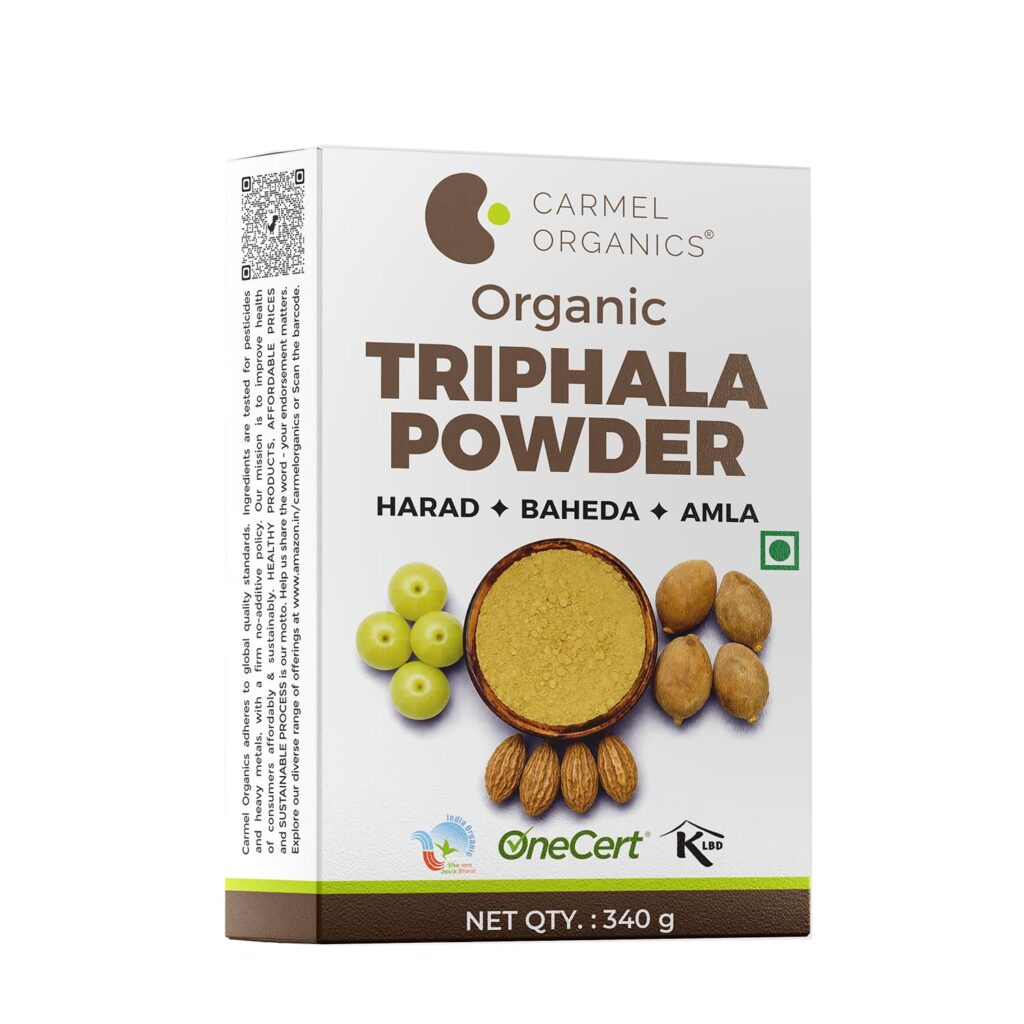
1. Triphala Powder
Triphala powder is the traditional Ayurvedic form and is often preferred by people who want the most authentic preparation.
You can mix approximately ½ to 1 teaspoon of Triphala powder with warm water and consume it once daily, preferably before bedtime or early in the morning, depending on your healthcare provider’s advice. Some people also mix it with honey to improve its naturally bitter taste.
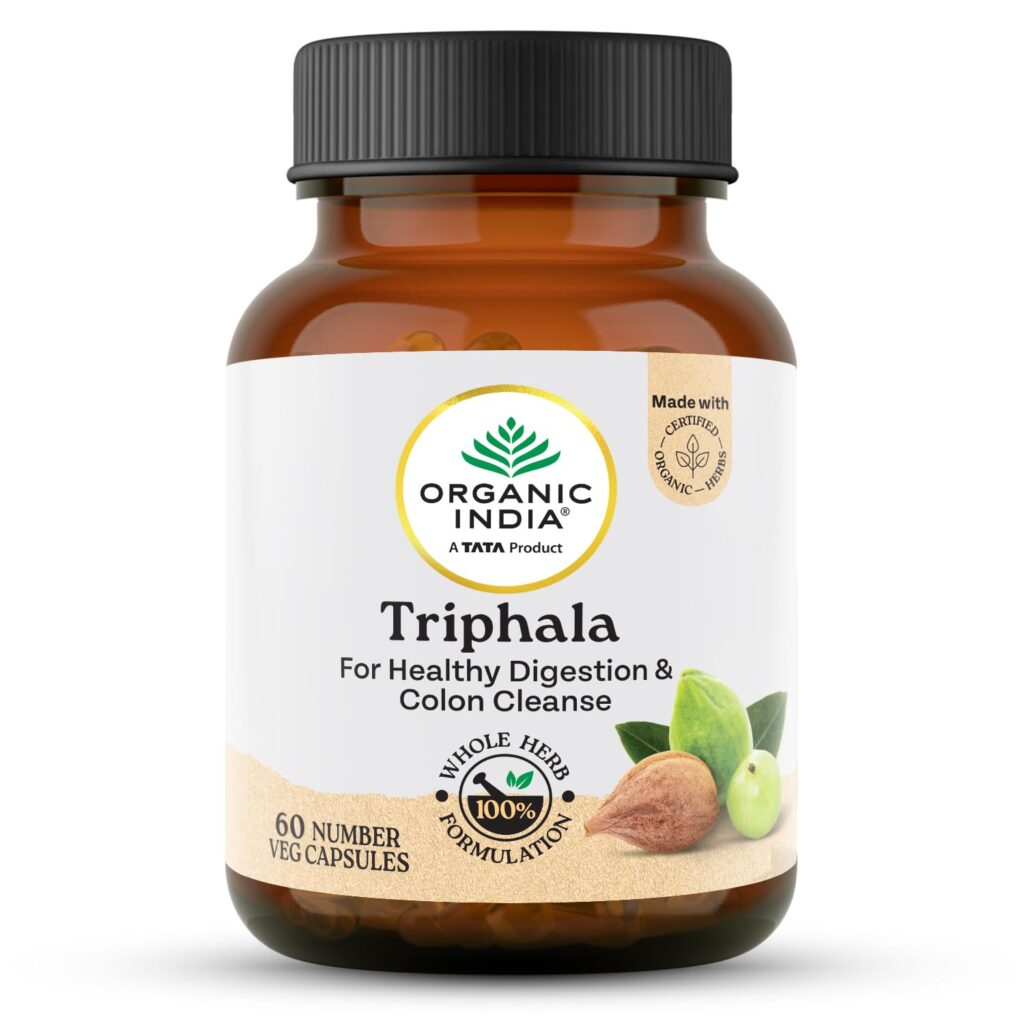
2. Triphala Capsules
Capsules are convenient for busy lifestyles. They eliminate the strong herbal taste while providing standardized doses. Always follow the dosage instructions on the product label or consult a qualified healthcare professional.
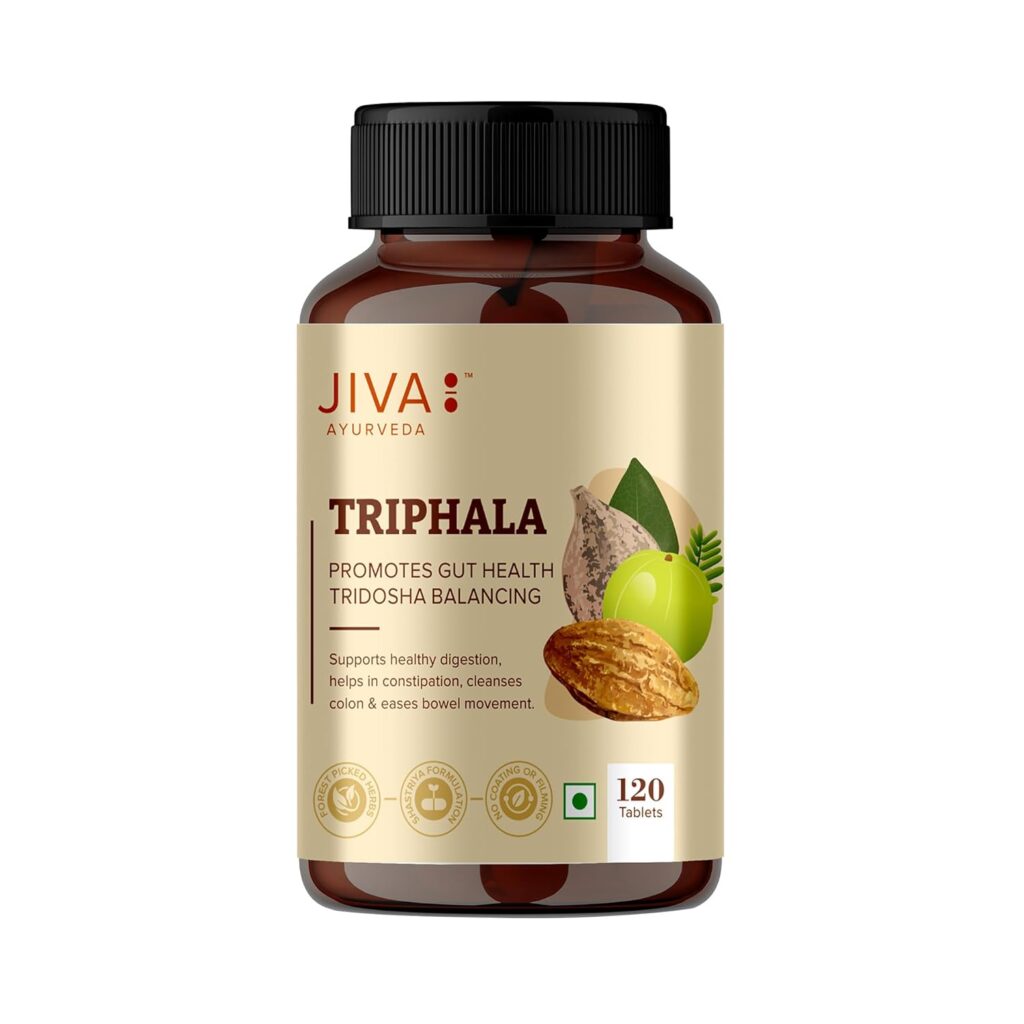
3. Triphala Tablets
Tablets offer another convenient option and are widely available in Ayurvedic stores and pharmacies.
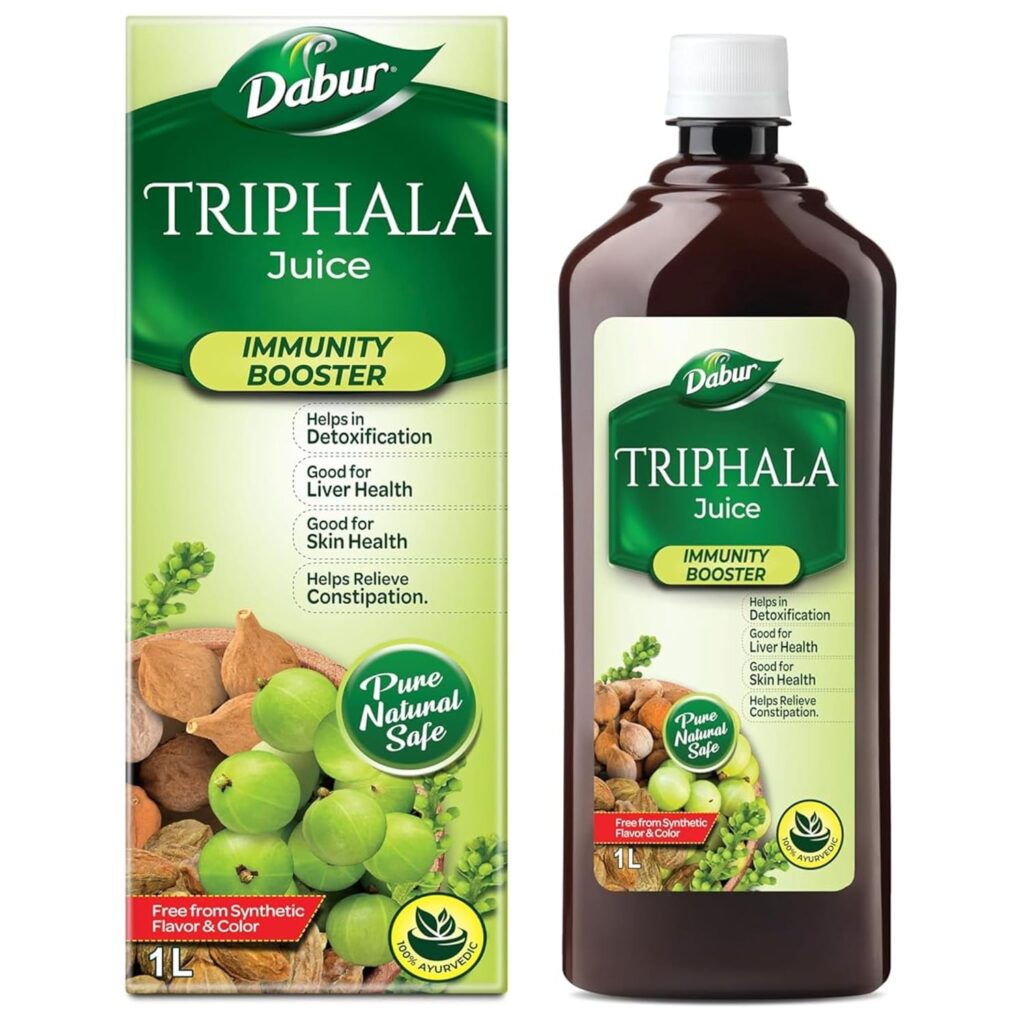
4. Triphala Juice
Some manufacturers produce ready-to-drink Triphala juice. It should generally be diluted with water before consumption according to the manufacturer’s directions.
5. Herbal Tea
Some people prepare Triphala tea by steeping the powder in warm water for several minutes before straining and drinking it.
Recommended Dosage
There is no universally recommended dosage because it varies depending on:
- Age
- Health condition
- Product concentration
- Individual tolerance
- Healthcare provider’s recommendation
General guidelines commonly found on commercial products include:
Form | Common Daily Amount |
|---|---|
| Powder | ½–1 teaspoon |
| Capsules | As directed on the label |
| Tablets | As directed on the label |
| Juice | 20–30 ml diluted with water |
Never exceed the recommended dosage unless advised by a qualified healthcare professional.
Possible Side Effects of Triphala
Although Triphala is generally considered safe for many healthy adults when used appropriately, excessive consumption may cause certain side effects.
Possible side effects include:
- Loose stools
- Mild diarrhea
- Abdominal discomfort
- Gas
- Nausea
- Stomach cramps
These effects are often temporary and may occur when beginning supplementation or taking larger-than-recommended doses.
People who experience persistent symptoms should discontinue use and seek medical advice.
Who Should Avoid Triphala?
Although Triphala is widely used, it may not be suitable for everyone.
Consult your healthcare provider before taking Triphala if you:
- Are pregnant
- Are breastfeeding
- Have chronic digestive disorders
- Have inflammatory bowel disease
- Have severe diarrhea
- Take blood-thinning medications
- Take diabetes medications
- Have autoimmune disorders
- Are scheduled for surgery
Children should only take Triphala under medical supervision.
Tips to Get the Maximum Benefits of Triphala
If you want to experience the full health benefits of Triphala, consistency and healthy lifestyle habits matter far more than taking large amounts.
Here are a few practical tips:
- Choose products from reputable manufacturers.
- Follow the recommended dosage.
- Stay hydrated throughout the day.
- Eat a balanced diet rich in fruits and vegetables.
- Exercise regularly.
- Sleep at least 7–8 hours daily.
- Avoid smoking and excessive alcohol consumption.
- Practice stress-management techniques like meditation or yoga.
Remember, Triphala works best as part of a healthy lifestyle rather than as a quick fix.
Conclusion
Triphala has earned its reputation as one of Ayurveda’s most respected herbal formulations through centuries of traditional use and growing scientific interest. By combining the powerful properties of Amla, Haritaki, and Bibhitaki, Triphala provides a unique blend of antioxidants, polyphenols, and bioactive compounds that may support digestive health, immune function, gut microbiome balance, skin health, oral hygiene, and overall wellness.
Current research is encouraging, particularly regarding Triphala’s antioxidant properties and its potential role in promoting a healthy gut microbiome. However, it is important to recognize that many of these findings require further large-scale human studies. Triphala should not be viewed as a cure for diseases or a substitute for professional medical treatment.
When combined with a nutritious diet, regular physical activity, adequate sleep, stress management, and routine healthcare, Triphala can be a valuable addition to a balanced wellness routine. If you have an existing medical condition or take prescription medications, always consult your healthcare provider before beginning any herbal supplement.
Frequently Asked Questions (FAQs)
1. What are the main benefits of Triphala?
Triphala may support digestive health, regular bowel movements, immune function, antioxidant protection, healthy gut bacteria, oral health, skin wellness, and overall vitality.
2. Can I take Triphala every day?
Many adults use Triphala daily according to the product’s recommended dosage. Long-term use should ideally be discussed with a healthcare professional, especially if you have existing medical conditions.
3. Is Triphala good for weight loss?
Triphala alone does not cause weight loss. However, it may support healthy digestion and gut health, making it a useful addition to a balanced weight-management plan that includes proper nutrition and regular exercise.
4. When is the best time to take Triphala?
Many people take Triphala before bedtime or early in the morning on an empty stomach. The ideal timing depends on your health goals and your healthcare provider’s advice.
5. Are there any side effects of Triphala?
Triphala is generally well tolerated when taken as directed. Excessive intake may cause diarrhea, stomach discomfort, or abdominal cramps in some individuals.
Read More:
CARMEL ORGANICS Triphala Fruits Powder 340 Grams | Jaivik Bharat Certified, Triphala Churn, Helps Relieve Constipation, Non-GMO, No Added Preservatives
Jiva Triphala Tablet (120 Tablets) |Supports Gut Health & Immune System | Ayurvedic Triphala Churna Tablets Improves Digestion | Helps in Detox | Constipation Colon & For Eye & Hair | pack of 1
A TATA Product – Organic India Triphala Capsules – 60 Caps, Supports Immune System, Colon & Digestion, Balanced Bowel & Gut Health, Contains Bioactives and Antioxidants, GMP & NPOP Certified Organic